
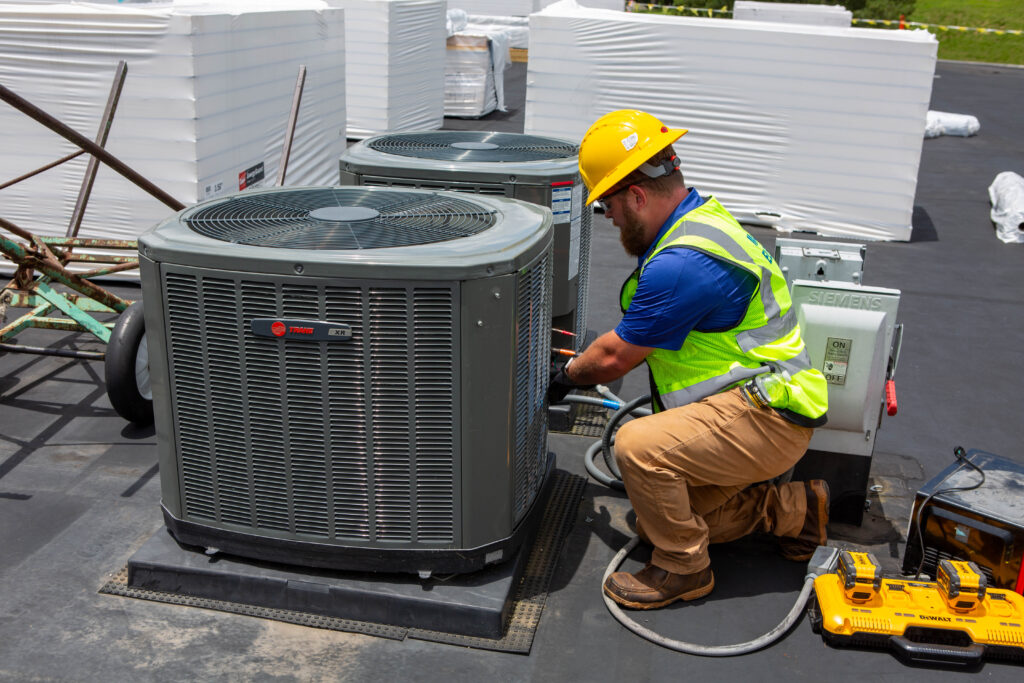
How HVAC Efficiency Impacts Commercial Operating Costs
In today’s competitive business environment, managing commercial operating costs is more important than ever. One of the most overlooked areas affecting overhead is the performance and energy efficiency of commercial HVAC systems. Heating, ventilation, and air conditioning don’t just keep employees and customers comfortable, they directly influence utility bills, equipment lifespan, and long term profitability.
Why Commercial HVAC Efficiency Matters
When an HVAC system is outdated or poorly maintained, it consumes more energy than necessary to maintain comfort levels. That translates to inflated energy bills, more frequent repairs, and a higher risk of unexpected system failures. In an era of rising energy costs and tighter environmental regulations, investing in HVAC system efficiency is a strategic financial decision, not just a maintenance concern.
Key Components That Impact HVAC Efficiency
- High Efficiency Heating and Cooling Units
Replacing aging equipment with ENERGY STAR certified HVAC systems can significantly reduce energy consumption. Newer units use advanced technology to deliver better performance with lower energy use, lowering both operational costs and your carbon footprint. - Smart Thermostats and Control Systems
Programmable thermostats are critical for energy efficient climate control. These systems automatically adjust temperature settings based on occupancy, business hours, and ambient conditions minimizing waste and maximizing performance. - Air Distribution and Ventilation
Proper ventilation ensures that fresh air circulates efficiently. Sealed ductwork, balanced airflow, and clean filters allow HVAC systems to operate without unnecessary strain, improving both indoor air quality and system longevity.
Routine Maintenance Protects Your Bottom Line
A proactive HVAC maintenance plan is one of the most cost effective ways to maintain system efficiency. Scheduled inspections, filter replacements, coil cleaning, and refrigerant checks help prevent costly breakdowns and optimize performance. Well maintained systems run smoother, last longer, and cost less to operate.
HVAC Upgrades Are a Smart Investment
If your system is more than 10–15 years old, consider a full HVAC system upgrade. Though the upfront cost may seem high, the ROI is substantial: lower energy bills, fewer emergency service calls, and increased operational efficiency. Many commercial property owners also qualify for tax incentives or rebates when investing in energy efficient HVAC solutions.
Final Takeaway
Prioritizing HVAC energy efficiency helps reduce commercial operating costs, boosts productivity, and supports environmental goals. Whether through smarter controls, regular maintenance, or a full system upgrade, optimizing your HVAC performance is a strategic investment that pays off year after year.